

Have you ever opened a game for five minutes and somehow ended up playing for an hour?
Yep it happens.
Some games are very simple. You jump, drive, match, shoot, or collect coins. Yet you keep coming back. Why?
The answer is gaming psychology.
Games use small rewards, challenges, progress, sounds, visuals, and curiosity to make players want to continue. It does not always feel like work. It feels like fun.
Why Are Games So Addictive?
Games give players a reason to keep going.
It could be:
- Beating a high score
- Finishing the next level
- Unlocking something
- Winning a match
- Solving a puzzle
- Improving a skill
- Finding out what comes next
The goal is usually simple.
You finish one thing, then the game gives you another reason to continue.
That creates the famous “one more game” feeling.
How Rewards Keep Players Playing
Rewards are one of the biggest parts of engaging game design.
A reward doesn't have to be huge. It could be:
- Coins
- Points
- New characters
- New levels
- Badges
- Upgrades
- Better equipment
Imagine solving a puzzle and immediately unlocking another level.
You think, “Let's try that one too.”
Then another.
And another.
Small rewards can make progress feel satisfying.
Why Progress Feels So Good
Players like knowing they are getting somewhere.
Games often use levels, upgrades, scores, achievements, and progress bars to show this.
Maybe your character becomes stronger.
Maybe your car becomes faster.
Maybe your score keeps increasing.
You can see the result of your effort.
Thats important because players do not just want to play. They want to feel that they are improving.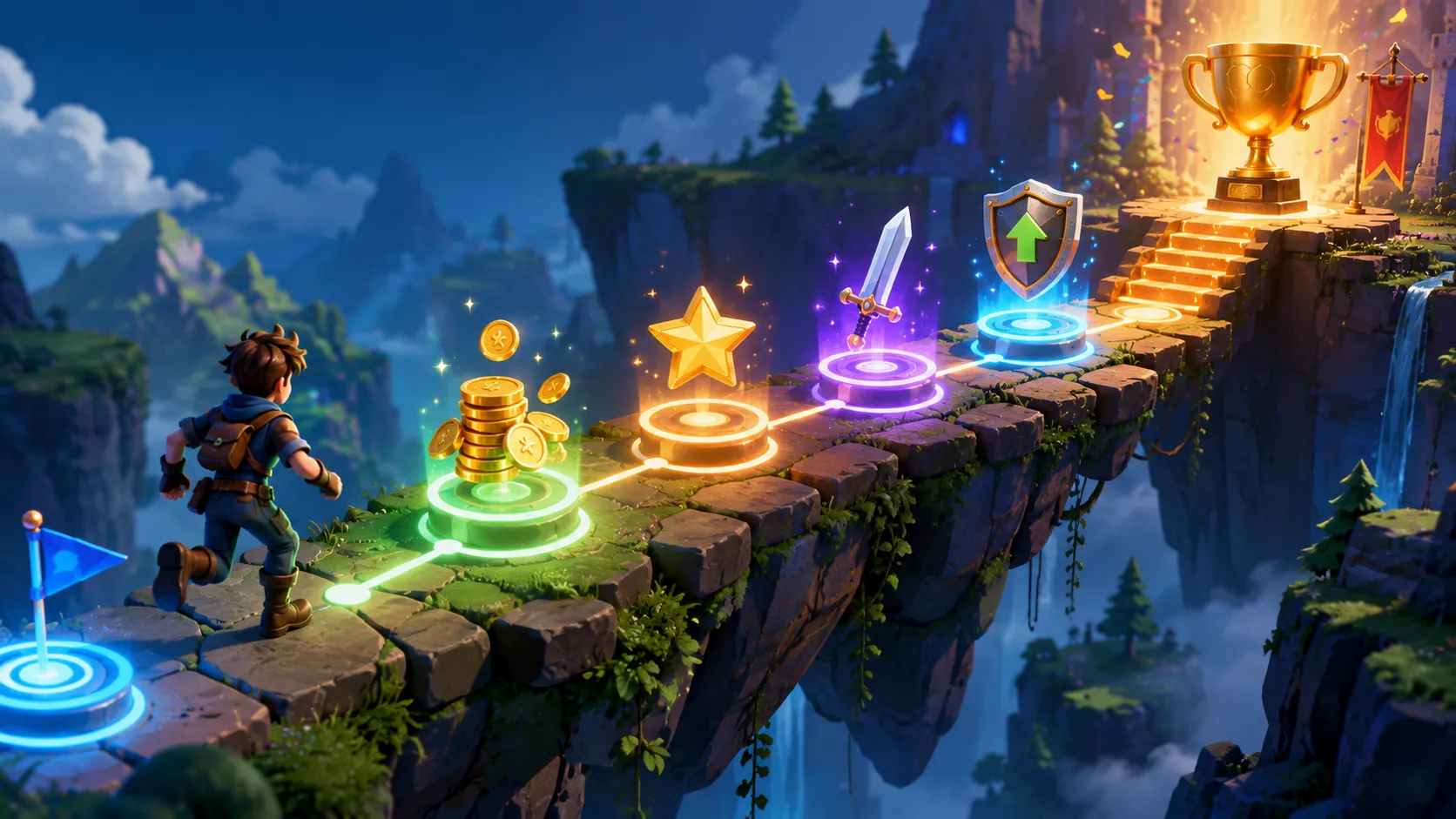
Why Game Difficulty Matters
A game that is too easy can become boring.
A game that is too hard can become frustrating.
The best experience is often somewhere between the two.
At first the game teaches you the basics.
Then things slowly become harder.
- Enemies become stronger
- Levels become longer
- Obstacles become harder
- Time limits become tighter
But you're improving too.
So the challenge feels possible.
That balance is one reason players keep trying.
Why “One More Try” Is Powerful
You lose.
You think:
“I know what I did wrong.”
So you try again.
Maybe you lose again.
But this time you were closer.
Now you think:
“One more try.”
This happens a lot in racing, puzzle, arcade, action, and platform games.
Failure doesn't always make players quit.
Sometimes it gives them a reason to try again.
You learned something from the previous attempt. Maybe the next one will be better.
Why Simple Games Can Be So Engaging
A game doesn't need complicated controls to be fun.
Sometimes one simple action is enough:
- Tap to jump
- Swipe to move
- Click to shoot
- Drag to match
- Press a key to steer
The controls are easy to understand.
But becoming really good at the game can take time.
That's the magic of easy to learn, hard to master.
A simple game can still give players a real challenge.
How Curiosity Keeps Players Playing
Sometimes rewards aren't the reason you continue.
You just want to know what's next.
Maybe there's:
- A locked area
- A hidden item
- A mystery character
- A new world
- A strange enemy
Your brain asks:
“What's over there?”
So you keep playing.
Curiosity can be especially powerful in adventure and exploration games.
Why Game Feedback Feels Satisfying
Games react to your actions.
You collect a coin.
You hear a sound.
You hit a target.
You see an effect.
You finish a level.
You get points.
These reactions are called game feedback.
Without feedback, games can feel boring.
A simple sound, animation, or visual effect can make an action feel much more rewarding.
Small details really do matter.
Why Players Like Getting Better
Gaming is also about mastery.
At first, you may struggle.
Then you learn the controls.
You understand the level.
You react faster.
You make fewer mistakes.
Eventually, something difficult becomes easier.
That feels good.
This is why players often return to games even after finishing them. They want to improve their score or beat their previous performance.
Why Competition Makes Games More Exciting
Playing against another person adds another layer of excitement.
You may want to:
- Beat a friend
- Reach first place
- Win a match
- Improve your ranking
- Climb a leaderboard
Your opponent can surprise you.
They might be faster. They might make a mistake. They might use a different strategy.
That's what makes multiplayer gaming exciting.
You can explore Khelogy's multiplayer games if you enjoy competitive gameplay.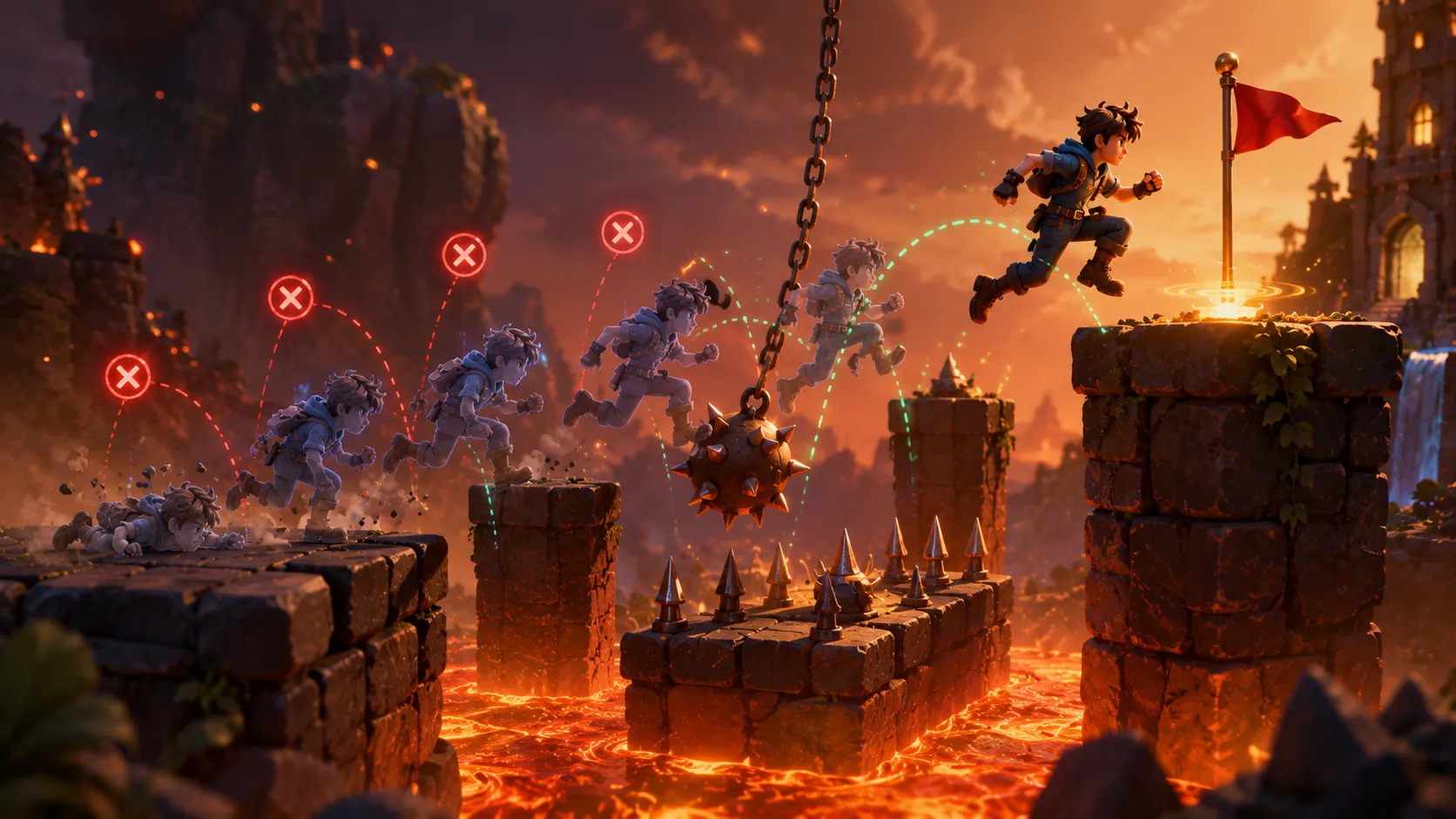
What Makes a Game Truly Engaging?
There isn't one secret formula.
Usually, several things work together:
- Simple controls
- Clear goals
- Fair difficulty
- Small rewards
- Visible progress
- Good feedback
- Interesting challenges
- Replay value
- A reason to try again
A game doesn't need hundreds of features.
Sometimes a simple idea is enough.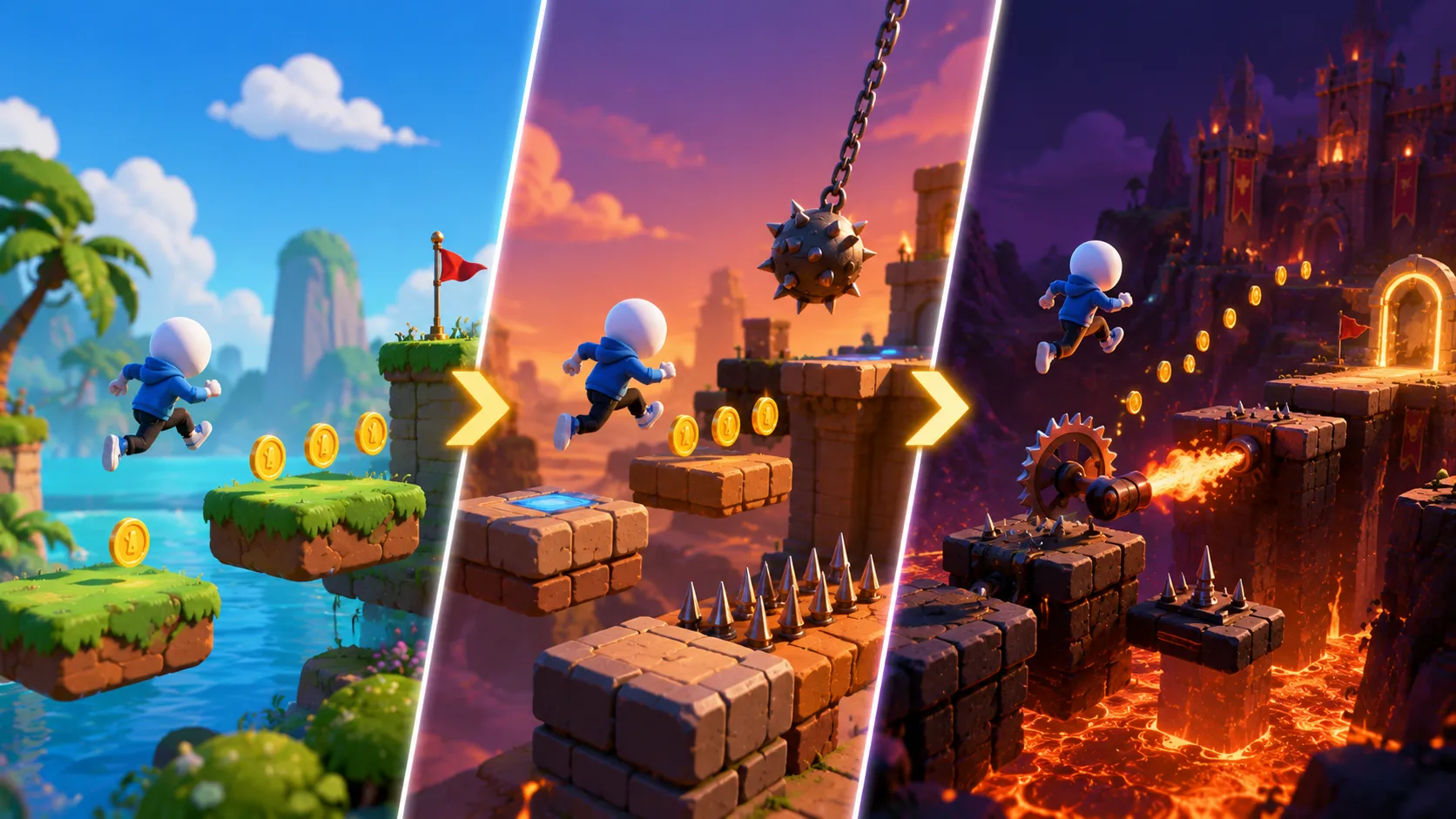
Final Thoughts
The psychology of gaming is really about giving players reasons to continue.
You make progress.
You earn a reward.
You improve your skills.
You almost win.
You discover something new.
Then you think:
“Okay, just one more.”
That's why even simple games can become highly engaging.
Good games don't always need huge worlds or complicated systems. Sometimes a clear goal a fair challenge, satisfying feedback and a little progress are all you need.
Want to find something new to play? Explore Khelogy's game categories and choose a game that fits your mood.