


.webp)
.webp)
About Reflex Arcade Games
Reflex arcade games measure one thing with complete honesty — how fast the signal travels from the eye to the hand. No guesswork, no luck. The stimulus appears, the response either arrives in time or it doesn't and the gap between those two outcomes is counted in milliseconds.
Khelogy has free reflex arcade games in your browser covering reaction time tests, obstacle dodge formats, tap and color challenges, one-tap survival games and rhythm-based reflex titles. No download. No account. The first stimulus is ready.
What Reaction Time Actually Measures
The signal travels from the eye to the brain. The brain processes it. The hand responds. Each step takes time.
Human reaction time is not a single number. It is the sum of several biological processes — light entering the eye, the visual cortex registering the stimulus, the signal traveling to the motor cortex, and the motor cortex firing the muscles in the hand. Research from the journal Experimental Brain Research found that visual reaction time averages around 200-250ms in healthy adults. Auditory reaction time is slightly faster — around 140-160ms — because the auditory pathway to the motor cortex is shorter than the visual one.
Reflex arcade games train the visual pathway specifically. Repeated exposure to stimulus-and-response cycles — a color change appears, click it; an obstacle approaches, jump it; a target appears, tap it — builds faster neural processing over the same route. The improvement is measurable and documented. A study at the University of Rochester found that action game players show reaction time improvements of around eleven percent compared to non-players after extended play.
The Human Benchmark — Numbers Against the World
How fast is fast?
Human Benchmark's reaction time test is one of the most widely used browser-based reflex measurement tools available. The screen turns green. The player clicks as fast as possible. The response time is measured in milliseconds and compared against a global database of scores. Skilled gamers consistently land below 200ms. Professional esports players cluster around 150-160ms. The world record for the Human Benchmark test sits under 100ms — a number so low that hardware input lag alone makes it difficult to achieve regardless of biological speed.
PlayBrain's 2026 reflex testing data found that their Reflex Test averages over eight and a half minutes of engagement per session with an eighty-six percent play rate — meaning most players who start the test immediately take additional rounds rather than stopping after one result. The compulsion to improve a measured number is genuinely powerful.
What are reflex arcade games?
Games where the primary skill is reaction speed — the time between a visual stimulus appearing and the player's correct response to it. Formats include pure reaction time tests, obstacle dodge games where speed determines survival, tap-and-avoid games with increasing pace, color switch games requiring color matching under time pressure, and rhythm games where timing precision is scored to the millisecond.
Free Reflex Arcade Games on Khelogy
All free. No payment. Open Khelogy, pick a reflex game, start the timer.
- Reaction time test games — stimulus appears, player clicks, response time measured in milliseconds, personal best tracked across sessions
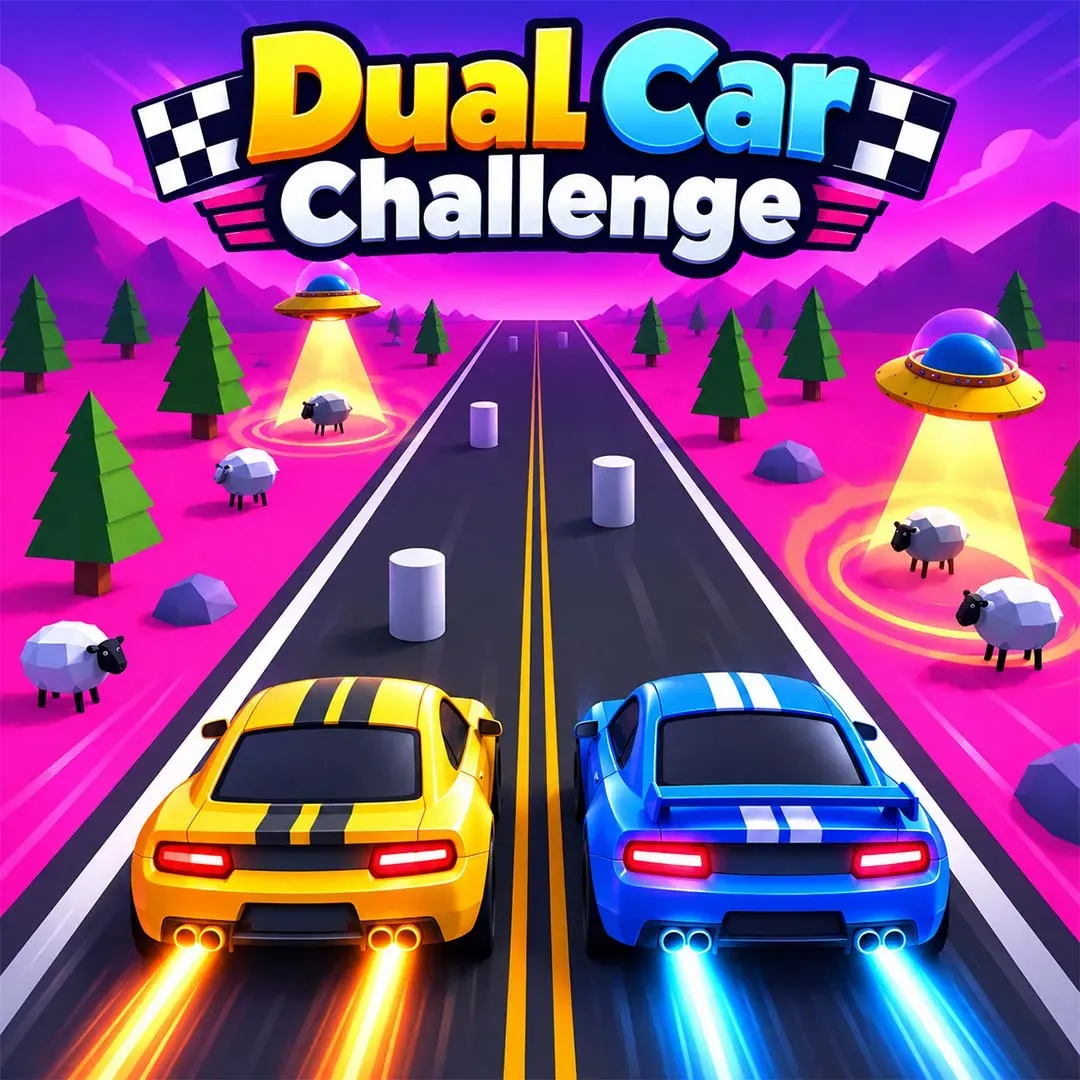
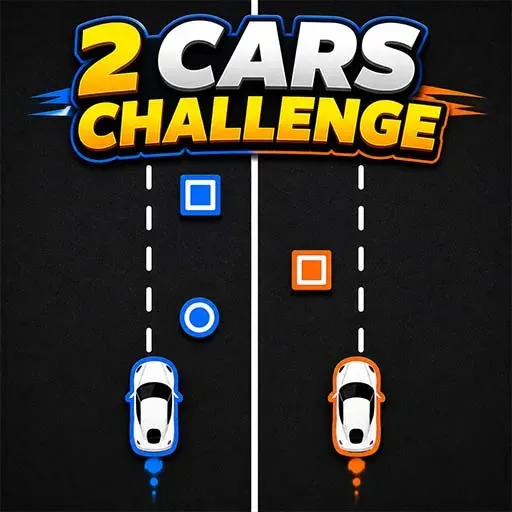
- Obstacle dodge reflex games — incoming hazards require instant directional response, speed increases as survival time extends
- Tap and color reflex games — specific colors or targets appear on screen, player taps them before they disappear, speed and accuracy both scored
- One tap survival reflex games — single input keeps a character alive against obstacles that arrive at increasing speed, every millisecond of hesitation ends the run
Dodge and Survive — Reflex Under Pressure
The obstacle is not random. The timing pattern is predictable. Fast enough players read it.
Dodge-based reflex arcade games apply the reaction time challenge to survival mechanics. Hazards appear and the player must move in the correct direction before contact occurs. Early in the session the timing is forgiving — the obstacle travels slowly enough that even average reaction times produce clean dodges. As the session progresses the speed increases until the hazards arrive faster than conscious thought can process them. At that point the player is no longer thinking about the dodge. They are reacting to it.
This state — where movement precedes conscious decision — is what psychologists and sports scientists call automaticity. Research on skill acquisition published in Psychological Science found that automaticity develops through high-repetition practice of a specific motor response to a specific stimulus. Reflex arcade games are one of the most direct ways to build it. The stimulus is clear and consistent. The correct response is unambiguous. The repetition is instant.
Rhythm Reflex Games — Timing Is a Reflex Too
The note arrives at a specific moment. The player hits the input at that moment. Or they do not.
Rhythm-based reflex games apply reaction demands to musical timing. The stimulus is predictable — the beat provides a framework — but the execution window is narrow. A hit that is fifty milliseconds early scores differently from a hit that is precisely on time. A hit that is fifty milliseconds late scores differently from a miss. The millisecond precision required to achieve perfect timing on a fast song at high difficulty is a reflex skill as demanding as any obstacle dodge game.
Guitar Hero demonstrated this in 2005. The game required players to match button presses to note streams scrolling down the screen in time with music. The hand-eye coordination demand was identical to other reflex games. The musical context made the precision feel musical rather than mechanical — which produced a category of player who would never have attempted a reaction time test but practiced Guitar Hero for hundreds of hours.
Can reflex games actually improve reaction time?
Research consistently supports it. The University of Rochester study found action game players show around eleven percent faster reaction times than non-players. A 2014 study published in Psychological Science found that brief training sessions on fast-paced action and reflex games produced measurable improvements in visual processing speed that persisted after the training ended. The improvement is real, specific, and documented across multiple independent research groups.
Reflex Games for Kids — Building Hand-Eye Coordination
The target appears. Tap it. The next target appears somewhere different. Tap that too.
Simple tap-and-hit reflex games for younger players use large targets, slow-to-moderate appearance speeds, and positive reinforcement animations for successful hits. The reaction time demanded is calibrated to suit younger neural processing speeds — which are genuinely slower than adult processing until around age eighteen when reaction time reaches its adult baseline.
Research from the American Academy of Pediatrics found that appropriate video game play in children develops hand-eye coordination, fine motor skills, and visual attention. Simple reflex arcade games are among the most direct formats for building these skills because the core mechanic is precisely the stimulus-response loop that develops them.
No Download. Opens in the Browser.
Browser opens. Stimulus appears. React.
No app. No installer. Works on Chrome, Firefox, Safari. Reflex arcade games are among the most lightweight browser formats — single color change displays, tap targets, obstacle fields. They load on any hardware in under two seconds. Phone and tablet work naturally — tap response on touchscreen removes the mouse-click delay that adds latency on desktop setups.
Why Khelogy
No account. No download. Nothing between the player and the first stimulus.
Open Khelogy. Pick a reflex arcade game. Find out how fast.
Over 1,000 free games. Loads in any browser. Works on phone, tablet, and desktop. New games added regularly.
React. Faster next time.